Posted: Monday, February 16, 2026
The Apple Experience — Quiet Refinements, Real-World Uses
A hands-on showcase of practical updates, ecosystem polish, and the small changes that shape daily tech
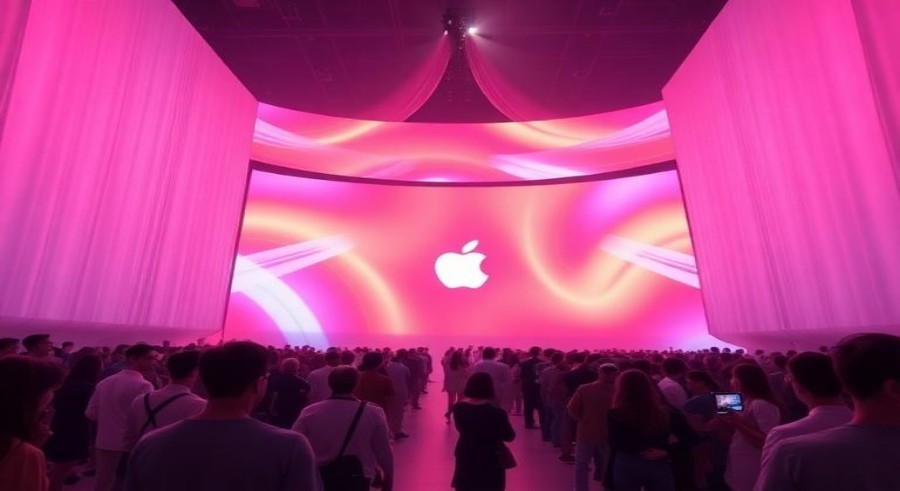
Hands-on recap of Apple’s March 4 Experience: practical device updates, Mac and iPhone refinements, software and ecosystem integration, and buyer guidance from in-person demos.
Apple’s March 4 gathering traded spectacle for substance, favoring small, in-person sessions over a single global broadcast. The event was designed to let attendees move through curated stations, try devices, and speak directly with engineers and designers. That format shifted the focus from headline-grabbing reveals to practical impressions and everyday usefulness.
Hands-on Format and Atmosphere
Walking into the Experience felt like entering a series of well-crafted studios rather than a theater. Devices were arranged in real-world scenarios—note-taking setups, photo stations, and multitasking benches—so visitors could see how products behave in ordinary tasks. Conversations were immediate and candid: reporters compared notes, creators tested workflows, and Apple staff answered follow-ups that a livestream rarely allows.
Apple staged everyday scenes—note-ready desks, selfie corners, and multitask benches—so you will see their devices enhance your mobile life.
The social energy made a difference. Quick side-by-side comparisons and spontaneous demos produced the kinds of anecdotes that stick with readers: how a keyboard feels after an hour of typing, or how a phone’s battery holds up during a long day. Those tactile moments often matter more to buyers than a list of specs.
Hardware Highlights
The iPhone on display leaned toward practicality: modest design changes, clearer battery improvements, and performance gains borrowed from higher-end chips. The message was simple—reliable speed and longevity for everyday users rather than dramatic redesigns. That positioning makes sense for buyers who prioritize daily dependability over headline features.
Mac updates emphasized steady refinement: better thermals, improved battery management, and incremental chip upgrades that translate into smoother multitasking. A more affordable MacBook option was presented as a bridge for students and budget-conscious users who want Mac performance without the top-tier price. Accessories and iPad refinements were shown in workflows to highlight compatibility and real-world utility.
Software and Ecosystem Integration
Software demonstrations were integrated into hardware stations to show features in context. Cross-device continuity, accessibility tweaks, and smarter assistant interactions were presented as practical tools rather than abstract bullet points. Those moments reinforced the idea that Apple sells an experience built from both hardware and software working together.
Small software refinements—faster handoffs, improved syncing, and subtle UI polish—felt like the kinds of changes that improve daily life more than flashy new capabilities. When software and hardware are shown side by side, it’s easier to judge whether an update will matter in your routine.
Media Framing and Market Signals
By hosting localized experiences, Apple shaped the initial narrative through curated demos and direct Q&A. That control helped steer coverage toward practical benefits and user-focused stories instead of speculation. For investors and competitors, the event signaled a steady cadence of updates and a focus on broadening appeal without fragmenting the premium lineup.
Practical Advice for Consumers
If you’re considering an upgrade, the Experience suggested patience: wait for hands-on reviews and real-world battery and performance tests. Entry-level models can offer strong value, but the right choice depends on your habits—battery life, app needs, and accessory ecosystems matter most. Compare early impressions to how you actually use devices before deciding.
Final Perspective on the Experience Approach
March 4 felt less like a single announcement and more like a series of thoughtful refinements presented in context. The format favored nuance over spectacle, giving attendees time to form honest impressions and ask the questions that matter. In the end, the day underscored Apple’s ongoing focus on integration, usability, and the small improvements that shape everyday technology.