Posted: Thursday, December 4, 2025
Apple’s FaceTime Cut Off in Russia
Digital sovereignty, law enforcement needs, and the future of encrypted calls
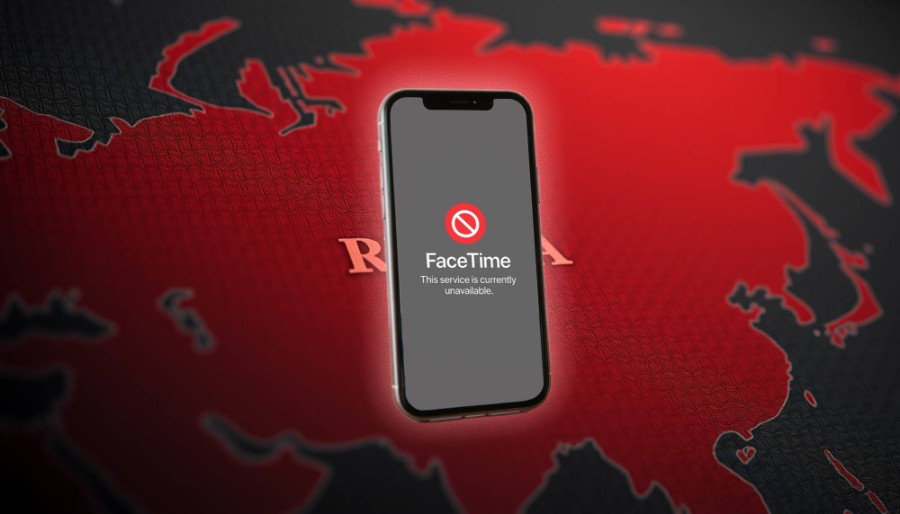
Russia’s actions to block Apple's FaceTime has sent ripples through technology, policy and even everyday life
Russia’s actions to block Apple’s FaceTime has sent ripples through technology, policy and even everyday life — reaching across users, businesses and digital-rights groups. The motion illustrates a broader tension between the security demands of the state and the privacy safeguards embedded in modern communication technologies. For some people, FaceTime is one of the routine ways to stay in touch with family, co-workers and service providers; for regulators everywhere, encrypted services can pose investigative challenges. The skirmish is both technical and political — with implications that reach far beyond a single app.
Official Rationale
Russian officials justified the restriction as a means of ensuring public safety and the effectiveness of law enforcement. Officials said that end-to-end encryption can be used by criminal networks and that in some cases, law enforcement must have access to communications for investigations. This argument closely mirrors the historic arguments over whether encryption should be absolute or underpinned by lawful access solutions. The government’s position is focused on control and oversight, while critics say that lifting encryption curtails privacy for everyone.
Russia’s actions to block Apple’s FaceTime has sent ripples through technology, policy and even everyday life.
The technical means for implementing such a ban are diverse and could range from network-level filtering to requirements that internet service providers cooperate, as well as pressure on app stores or platform employees. Depending on how agressively traffic is blocked, network filtering may result in intermittent loss of service, lower voice quality and/or inability to connect at all. App-store policies or legal mandates to platform operators may also limit accessibility, making for a variegated quilt of access over time and by different providers.
Impact on Users
For the average person, the immediate consequences are practical and individual: Soundless calls go missed, attempted connections fail and alternative means of communicating must be found. Some who have depended on FaceTime to conduct telehealth appointments, work remotely or stay in touch with relatives overseas could be affected. Some will flirt with some workarounds, like using a VPN or other apps; others will switch to domestic services that remain available. The disruption falls hardest on people with less technical skills or resources.
For A lot of people, FaceTime is one of the routine ways to stay in touch with family, friends and co-workers.
Businesses that have been using FaceTime for customer service, remote consultations or internal processes also need to make adjustments. Companies might need to adjust systems, retrain employees, or switch to new platforms that follow local rules. For multinational firms, the restriction complicates compliance strategies and may raise operational costs. Smaller businesses and freelancers who depended on the convenience and wide availability of FaceTime could find the transition especially difficult.
Legal and Regulatory Context
The constraint forms part of a broader legal and regulatory landscape that has been progressively turned toward digital sovereignty and local control. Since then, new laws and enforcement practices have sought to ensure that communications and data can be monitored or stored domestically when authorities believe it is necessary. Supporters say such measures are intended to protect national security and public order; detractors say they undermine civil liberties, and erect barriers to cross-border compatibility. The legal debate often revolves around weighing the legitimate needs of security against basic rights.
These tensions may be fought out in courts, among regulators, and within the industry. Legal challenges, negotiations over compliance mechanisms, and technical workarounds are all potential responses. The outcome will shape not only the availability of particular apps but the broader architecture through which encrypted communications are both governed and delivered in the country.
Responses from Civil Society
Digital-rights groups and advocates for privacy have expressed concern about the precedent set by the restriction on encrypted services. They argue that weakening or bypassing encryption for a subset of users creates vulnerabilities that can be exploited by malicious actors-not just law enforcement. Public campaigns, legal advocacy, and technical research into secure, lawful-access-friendly designs are likely to intensify as stakeholders seek alternatives that preserve privacy while addressing legitimate investigative needs.
At the same time, other segments of the public may favor restrictions if they believe these will make them safer or lead to less crime. Public opinion is influenced by high-profile cases, media framing, and trust in institutions. This debate, therefore, is not solely technical; it is cultural and political, reflecting varying visions about the role of the state vis-à-vis regulating digital life.
International and Industry Reactions
Global technology companies and foreign governments frequently pay close attention to such moves, weighing responses that range from quiet diplomacy to public statements and legal action. Platform operators have to weigh whether to comply with local orders, go to court to try to change them, or shut down services altogether. Each option comes with different reputational, legal, and commercial consequences. The industry’s response will influence how other countries address similar issues and whether multinational platforms are allowed to keep consistent policies across the globe.
Some companies may accelerate efforts to design systems that can meet both privacy expectations and lawful access requirements; others may double down on end-to-end encryption as a core product promise. The tension between global product design and local regulatory demands is set to remain a central challenge for the tech sector.
Long-Term Outlook
Looking ahead, the constraint on FaceTime might catalyze a set of longer-term trends. One possibility: it further fragments the global communications landscape by fostering the growth of domestic alternatives engineered to meet local oversight. Another might be increased investment in circumvention tools and privacy-preserving technologies by both users and developers. Policymakers, technologists, and civil-society actors will likely keep negotiating the boundaries among security, privacy, and access.
Ultimately, the solution will be determined through court decisions, technological advancement, and political decisions. It is also unlikely that debate on encrypted communications will be resolved in the near future; it will continue to evolve with new incidents, technologies, and policy proposals. Stakeholders on all sides will have to continue a sustained dialogue to arrive at workable compromises that protect both safety and fundamental rights.
Practical Advice for Affected Users
Affected users should review their communication needs and consider options that cater to both convenience and security. Minimizing disruption through backing up key contacts, learning how to operate multiple platforms, and keeping informed about official guidelines will also help reduce disruption. In sensitive conversations, users should opt for tools with robust encryption and well-documented privacy practices. Organizations have a need to review both compliance obligations and contingency plans for continuity of service.
The episode underlines a more general reality: digital tools are not neutral artifacts but are situated in legal, political, and social systems. When any highly utilized service such as FaceTime becomes restricted, the ripple effects show how deeply technology is woven into daily life and governance. Navigating this terrain requires technical savvy, legal clarity, and public debate about the values that should guide digital policy. The choices made now will shape how people communicate and how societies balance privacy with security in the years to come.