Posted: Sunday, December 7, 2025
Unfolding Tomorrow: The Story of the Z TriFold
When two hinges become a new way to work — a look at design, multitasking, and who this device is for
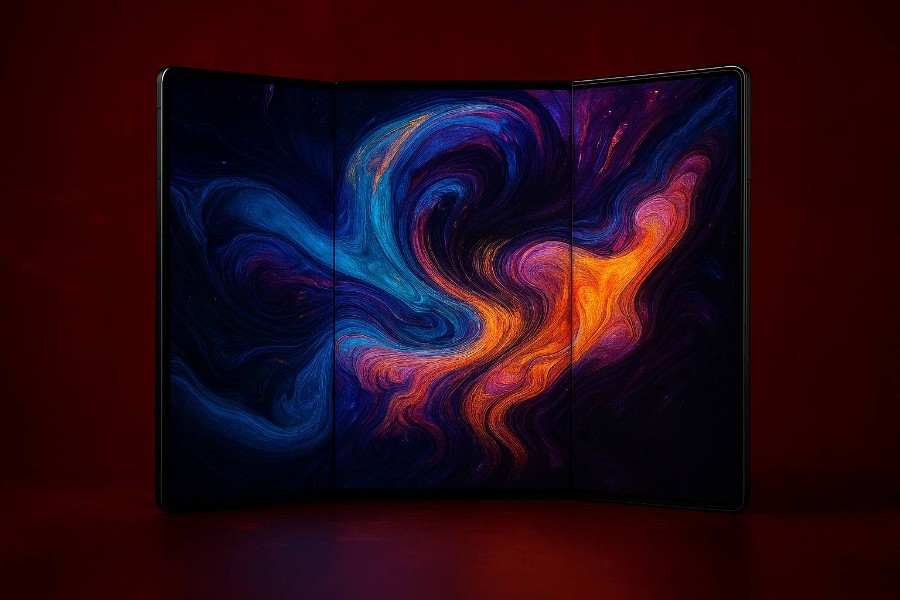
The Samsung Z TriFold is a pocketable powerhouse that unfolds into a tablet-sized workspace, letting creatives and multitaskers juggle apps, edit content, and watch media on a single device—if you accept extra weight and cost.
The SamsungZ TriFold genuinely feels like something pulled right out of a sci-fi novel. It simply refuses to be just another phone, unfolding instead into this huge, tablet-like canvas that practically demands you rethink what it means to carry a screen. The whole thing arrives with a sense of deliberate drama—we're talking two hinges, three panels, and a pretty audacious promise that you can have both pocket ability and real productivity, provided you're okay with a few trade-offs.
Design and Build
Hold this thing and you immediately realize the chassis was engineered, not just styled; it’s all layered materials, reinforced hinges, and a comforting weight that screams solidity, maybe at the expense of being featherlight. Closed, it has this unmistakable presence. But when you snap it open, it's unexpectedly elegant, with the seams and joints somehow fading into one continuous surface that really rewards careful, deliberate handling.
The way it moves tells a story, too. The folding action is firm and has a slightly mechanical crunch to it—it’s not that silent, whisper-soft glide you get with simpler folds. But that mechanical confidence makes the device feel less like a fragile experiment and more like a high-precision instrument.
Display Experience
When you finally get it unfolded, the screen basically is the personality of this device—it’s vast, totally immersive, and just relentlessly useful for reading, editing, or settling in to watch something. Sure, the cover display is fine for checking quick alerts, but the main canvas is where the TriFold absolutely earns its spot in your pocket. Split-screen multitasking goes from being a cramped chore to feeling completely natural.
The colors and contrast are seriously dramatic, leaning into deep blacks and highlights that practically punch you in the face. This makes videos pop beautifully, and keeps text incredibly crisp even when you’ve got two or three windows crammed onto the surface. Honestly, this huge canvas forces you into new habits: you start instinctively dragging stuff between panes, keeping a reference open on one side while typing an email on the other, or simply enjoying a Netflix binge at a proper tablet size without having to reach for a second device.
Cameras and Imaging
The camera setup is basically Samsung saying, "Yeah, this is still a serious phone." You get flagship-grade optics, and it really acts as a reassurance that the TriFold is more than just a party trick. Photos come out detailed and super versatile, no matter the lighting. And thanks to the folding display, you unlock some seriously cool framing tricks—like previewing your shot on that giant inner screen, or flipping it around to use the cover display for perfect quick selfies. Video footage gets a huge boost from the expanded viewfinder, and honestly, the device’s wide, unfolded shape just naturally encourages steadier handheld shooting. The whole imaging experience is focused less on goofy gimmicks and more on simply giving creators a larger, far more capable canvas to actually work with.
Software and Productivity
This is the make-or-break section. Software is where the TriFold’s whole concept either absolutely clicks or just falls apart. Thankfully, the interface largely nails it: you get a persistent taskbar, truly resizable windows, and gestures that convince you you're holding a proper pocketable workstation. Productivity apps scale up gracefully, and this device actively rewards the kind of multi-app workflows that would feel totally cramped on a regular phone.
Now, it’s not perfect. You’ll hit moments of friction where some apps still stubbornly behave like phone apps instead of small desktop windows. But the lasting impression is that this is a platform quickly learning to think bigger. If you’re someone who constantly writes, edits, or just juggles a mess of different apps, the TriFold is absolutely capable of replacing your tablet for most of your daily grind.
Battery and Performance
Look, battery life here is definitely a balancing act—you’ve got a massive amount of screen to power. In the real world, it basically performs like a top-tier phone that's constantly doing tablet-level work: it's solid enough to get you through a day of mixed use. But here’s the caveat: heavy multitasking or settling in for a long movie binge will send you scrambling for a charger sooner than a dedicated tablet would. Thankfully, performance is snappy and consistently smooth even with demanding apps, and the whole hardware setup feels expertly tuned to keep that massive display instantly responsive.
The device handles heat well; you can push it with sustained workloads without it becoming uncomfortable. However, because the surface area is so huge, the heat distribution is simply more noticeable than it would be on a skinny little phone.
Final Verdict
The Z TriFold is a straight-up statement piece. It’s not trying to be the next phone everyone buys, but it’s an incredibly compelling choice for anyone who worships screen real estate and flexible workflows more than absolute pocket minimalism. It asks you to swallow some extra weight and, let's be honest, a hefty price tag, but in exchange, you get a genuinely new, innovative way to interact with mobile software.
For those early adopters, creatives, and people obsessed with productivity, this is a rare mix of spectacle and real utility—it gives us a fantastic glimpse of where mobile computing might actually be headed. For everyone else, it’s a seriously intriguing detour: an ambitious experiment fueled just as much by imagination as it is by practicality.